
Business valuation that holds up with buyers, auditors and the exchange. SGX approved our valuation report without amendments.
30 minutes to start, no fee.
For the owner, shareholder or board who needs a number others will rely on.
A buyer, a departing shareholder, an auditor or a regulator will test the value, and the reasoning has to hold under their questions. A value without a report gets reopened.
Selling, buying or raising
You want a number you can anchor a negotiation on, and the reasoning to defend it.
A shareholder is leaving
A buyout, a dispute or a shareholder agreement needs an independent value both sides can accept.
A regulator or auditor will read it
A listing, a circular, financial reporting or tax needs a report that meets the standard first time.
What you receive.
VALLARIS™ values companies for sales and acquisitions, fundraising, shareholder exits, financial reporting, tax and disputes. Every report follows the International Valuation Standards and is signed by a Chartered Valuer and Appraiser.
- A signed valuation reportPrepared under the International Valuation Standards and signed by a CVA.
- A value and a rangeThe conclusion, the range around it and what moves it.
- Methods reconciledIncome and market approaches cross-checked, with the weighting explained.
- Support after deliveryAnswers to the questions of buyers, auditors, exchanges and tribunals.
Standing you can check.
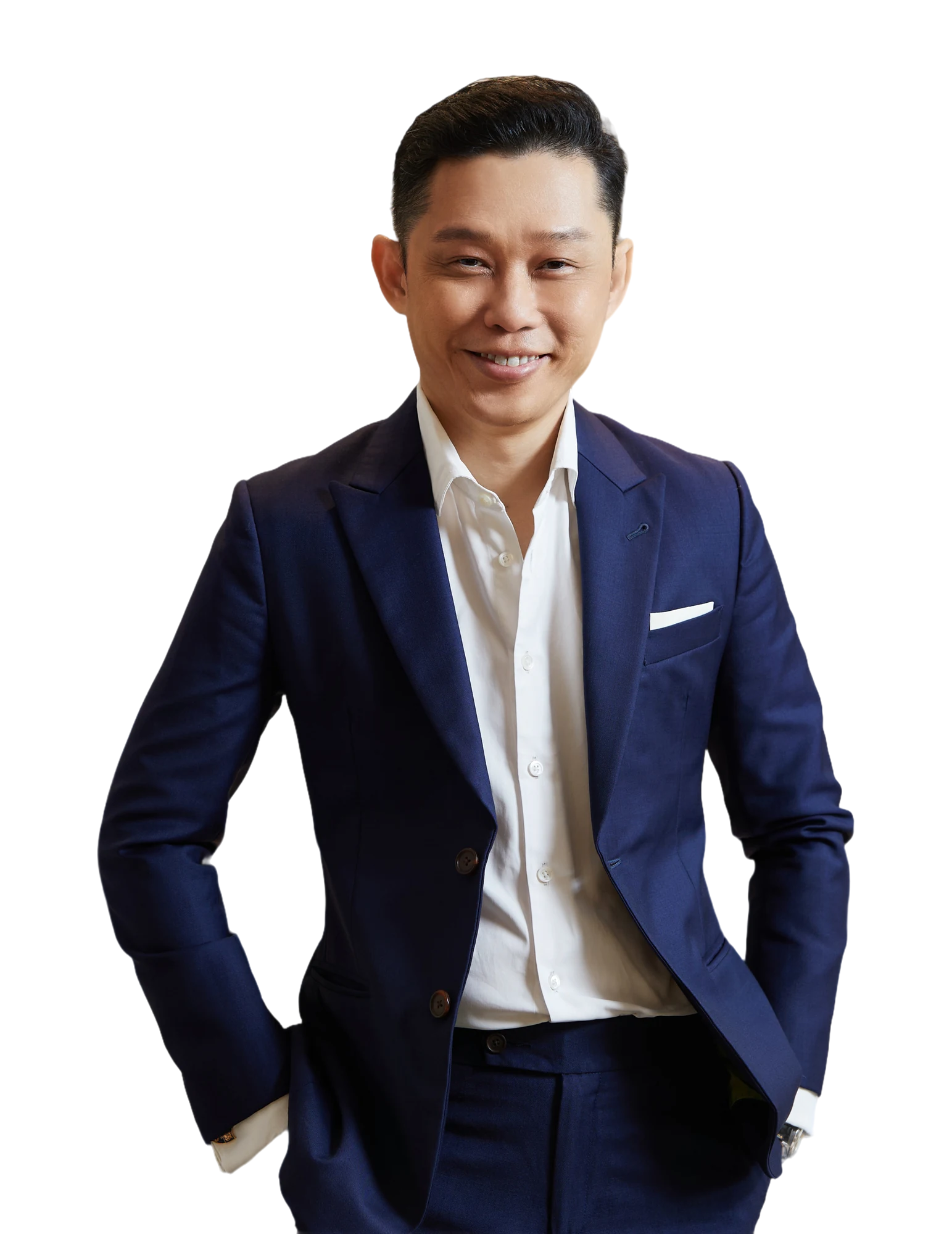
Siong Yoong · Founder, VALLARIS™ · Chartered Valuer and Appraiser
My valuations have gone before the Singapore Exchange, the Hong Kong Stock Exchange and the Supreme Court of Singapore. Each one carries my name, so each one is built to be questioned.
Siong Yoong
Chartered Valuer and Appraiser
CVA, Institute of Valuers and Appraisers, Singapore (IVAS).
International Valuation Standards Council
Member, Memberships & Standards Recognition Committee, IVSC, the body that publishes the IVS.
Approved by the exchange
SGX approved his valuation report without any amendments, for Greenbuild Technology.
What clients ask first.
What is my business worth with SGD 1 million in sales?
It depends on profit and risk, not sales. Two companies with SGD 1M of sales can earn SGD 50,000 or SGD 250,000. Start from normalised profit, with one-offs and above-market owner pay taken out. Apply a multiple from completed deals in your industry and size, then subtract debt and add surplus cash to reach the value of the shares.
Is three times profit a fair price for my business?
It can be, but there is no single right multiple. Three times profit means a buyer earns the price back in about three years, which suits a riskier business, such as one with a single large customer or heavy reliance on the owner. Lower risk and steady growth support higher multiples. A valuation uses the deals closest to your business, not a rule of thumb.
How is a business valued?
With at least two of three approaches: income (the cash it will produce, discounted for risk), market (multiples from comparable companies or deals) and cost (what it would take to rebuild the assets, usually the floor for a profitable business). Where they disagree, the gap usually means the forecast is more hopeful than the market, or the comparables are not comparable.
Often needed together: Intangible asset valuation · M&A advisory · Purchase price allocation